 Image 1 of 2
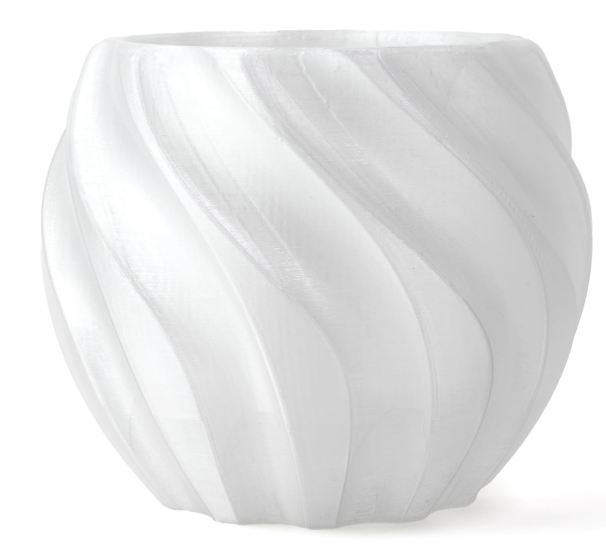 Image 2 of 2
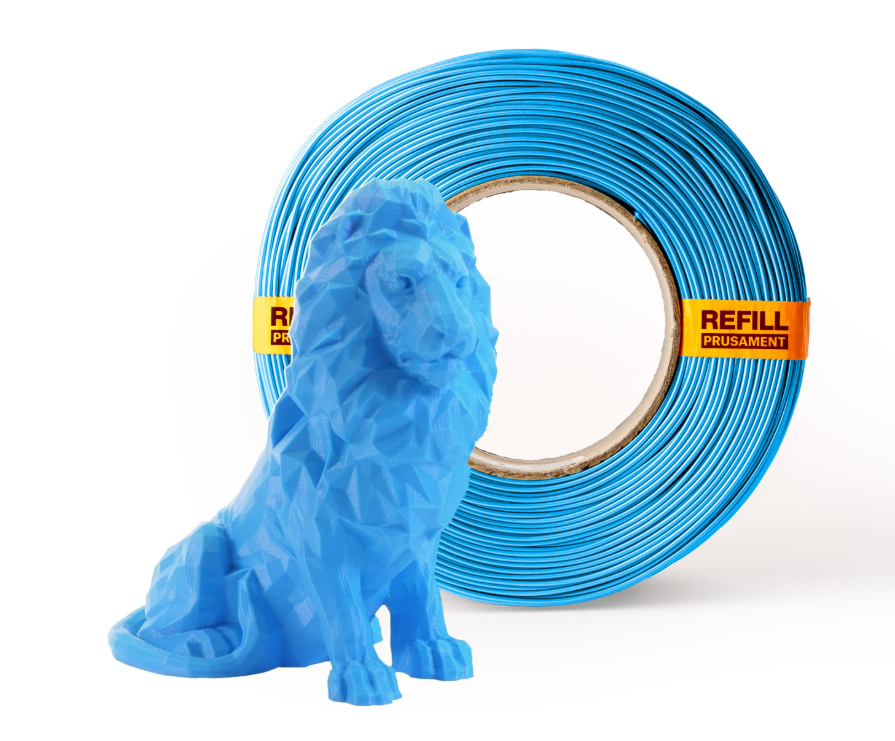
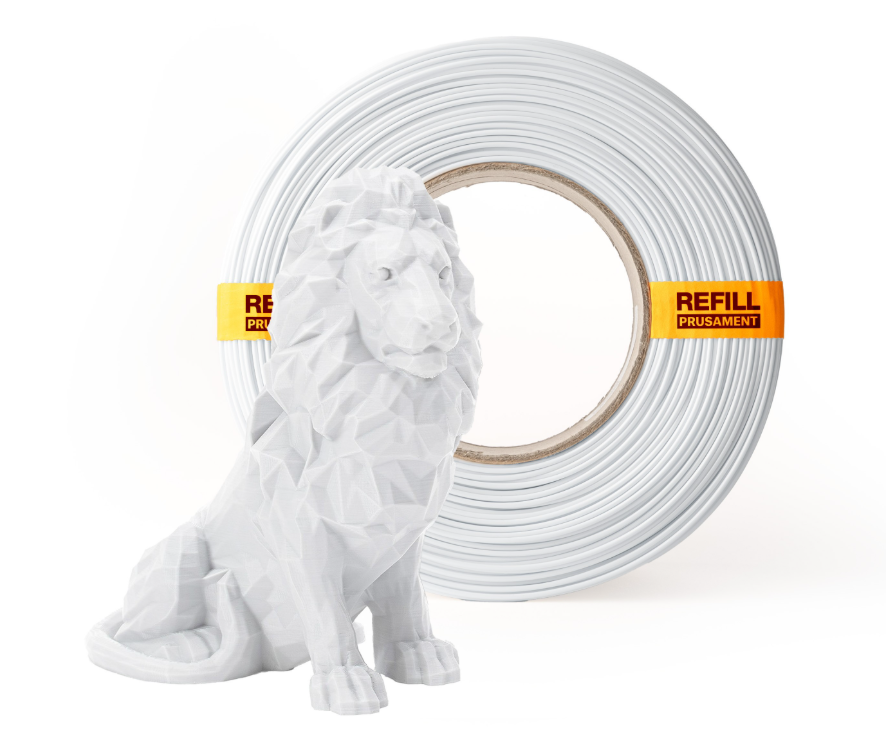
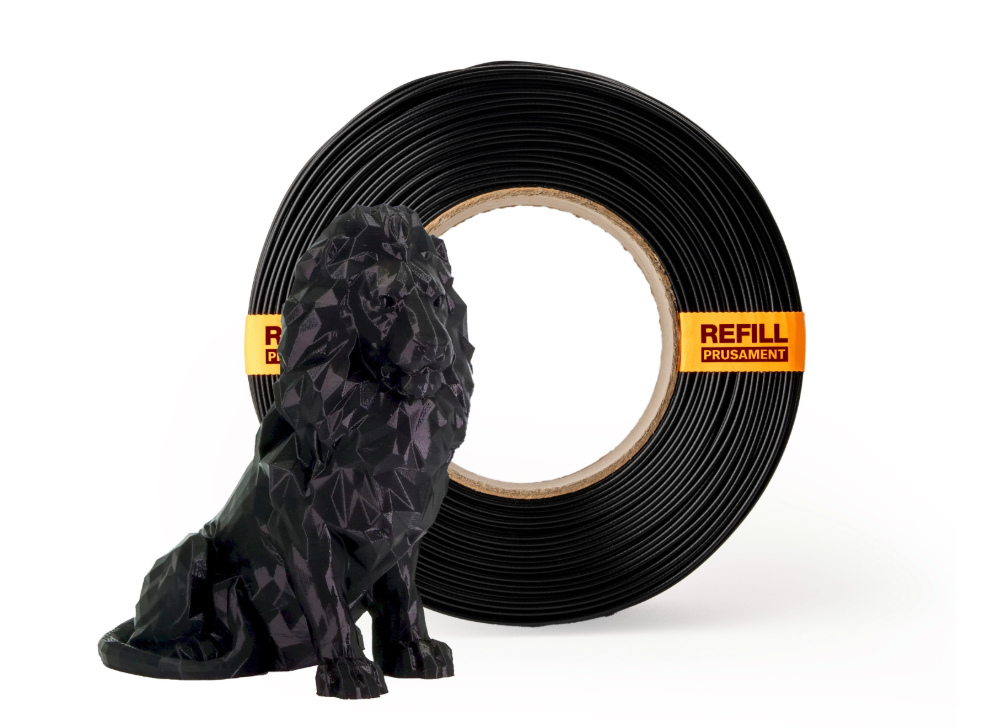
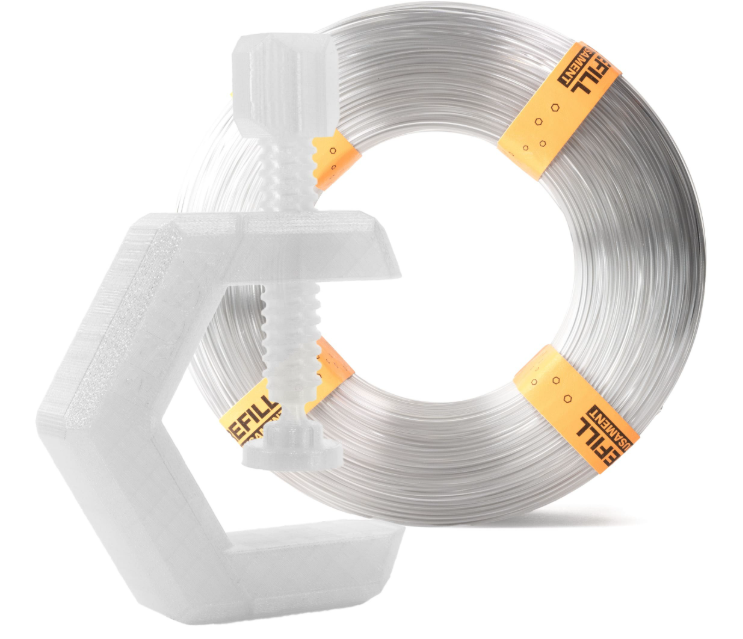
Prusament Refill is an environment-friendly way to refill your empty Prusament spool. Once you run out of Prusament and the spool is empty, simply remove the spool's sides and attach them to Prusament Refill which comes wound on a spool core.
Every Prusament Refill we made is up to the high quality standards of our in-house made filaments and is well-secured for transport, so you don't have to worry about tangled spools.
You can find more about our sustainability activities in our sustainability report.
How to fit Prusament Refill spool
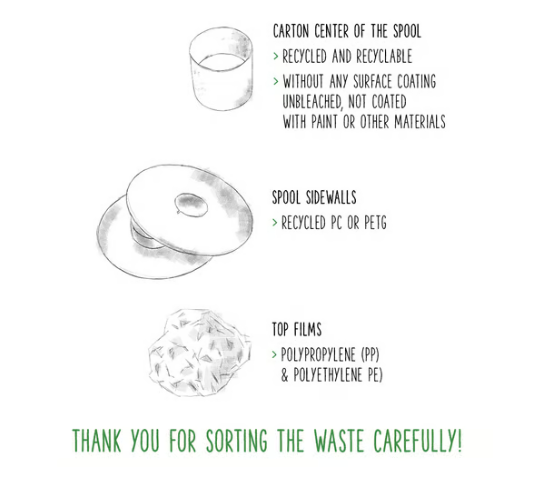
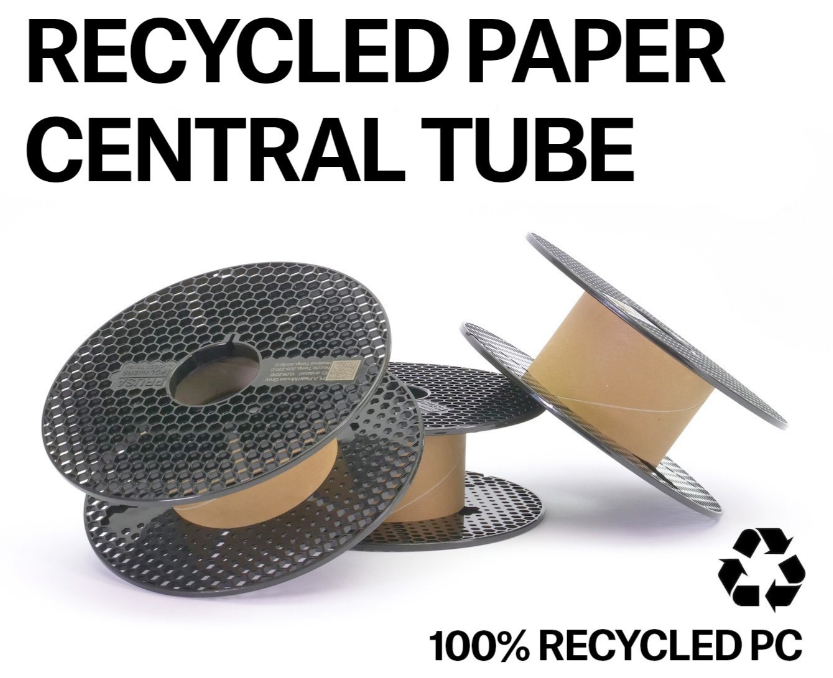
The Prusament spool consists of black plastic sides and a cardboard centerpiece. The sides are pushed on the centerpiece and can be removed to reuse or recycle. Please note there are also gray Prusament spools used for high performance. Those are glued to the cardboard centerpiece as some filaments require drying up in high temperatures.
The trick to easily separate the center of the spool from the plastic sides is to rotate the spool. Pull the ends of the spool apart using a reasonable amount of force and gradually rotate the spool bit by bit. Thanks to this movement, it will be easier to separate the sides from the center of the spool.
More detailed instructions on how to fit the Prusament Refill spool can be found on the help.
Prusament PETG is our own in-house made filament. The whole manufacturing process is closely monitored and tested - we guarantee ±0.02mm precision and highly-consistent colors. You can inspect parameters of every spool we made at prusament.com.
The whole manufacturing process is closely monitored and tested – string diameter, color consistency, and mechanical properties – to make sure that every spool is perfect.
We are the only manufacturer that gives the option to inspect parameters of every filament spool. Scan a QR code on the spool to see all details online (check the sample spool).
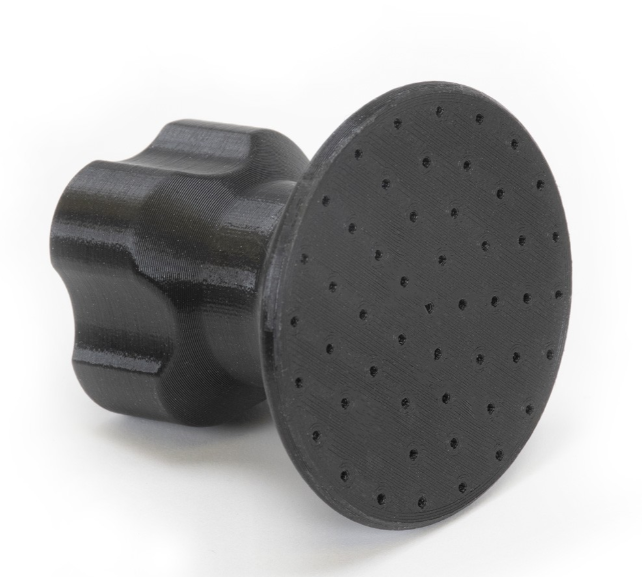
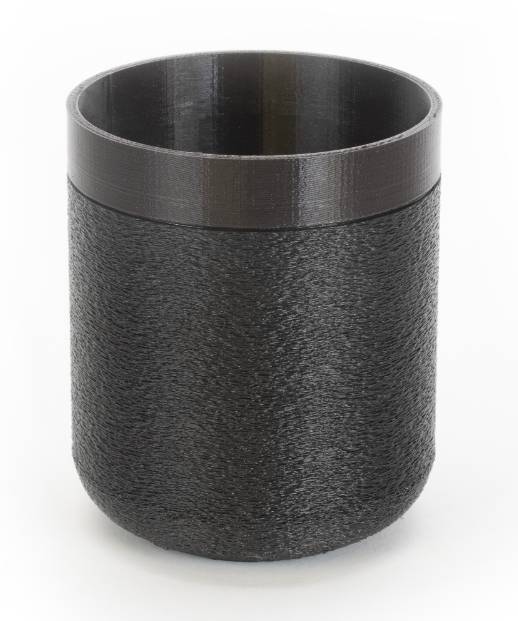
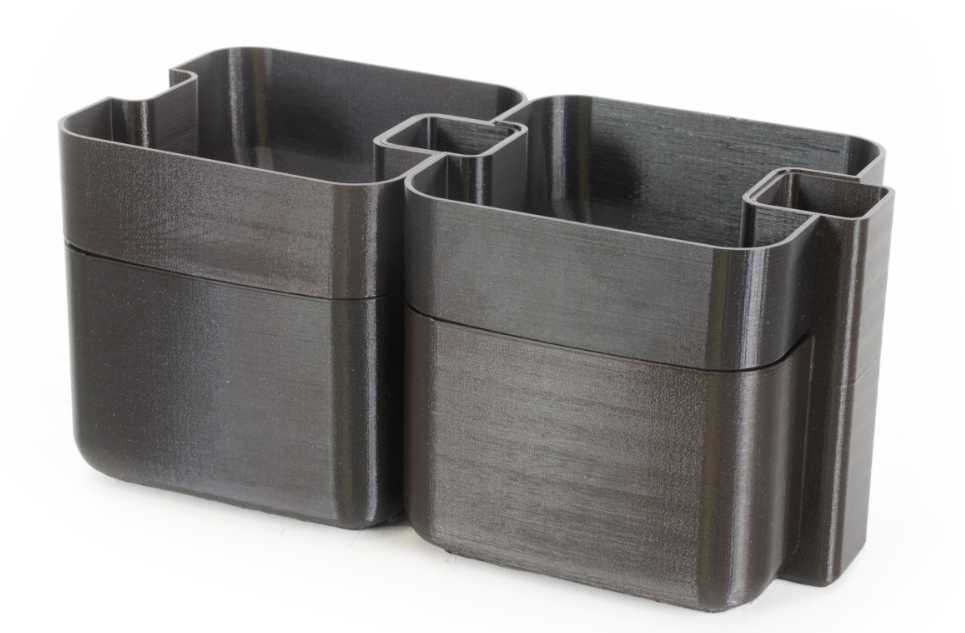
PETG is one of the most commonly used filaments. Its strength and durability make it an excellent choice for printing various mechanically-stressed parts, such as various holders, or clamps, for example. Due to its excellent layer-to-layer adhesion, PETG prints are ideal for indoor and outdoor waterproof applications. Furthermore, PETG is a tough material with good high-temperature resistance. The G in the acronym stands for a glycol-modified substance that is present during the manufacturing process. It modifies the properties of PET, so that it’s easier to print, less brittle, and clearer when printing with semi-transparent variants. PETG has a low thermal expansion, so even when printing big objects, and without an enclosure, it rarely lifts from the bed and warps. In addition to that, PETG is tougher and less brittle than PLA. It has a healthy amount of flex which can prevent parts from breaking under pressure. We use PETG to print parts for our printers!
Nozzle 250 °C Heatbed 70-90 °C Recommended Steel Sheet Textured / Satin
Good high-temperature resistance
Easy to print
Low shrinking and warping
High strength and durability
Easier to sand than PLA (softer, less melting)
Worse details than PLA, for example
Possibility of stringing
Poor bridging characteristics
This PETG is made in-house by Prusa Research.
1.75 mm filament is manufactured with precision of +- 0.02 mm
Before printing, make sure the surface of heatbed is clean as described in 3D Printing Handbook.
To dry the filament, please follow the instructions in this article.
The inner diameter of the cardboard spool is ± 94 mm (3,7″) and the width is ± 60 mm (2,36″).
Prusament Refill is an environment-friendly way to refill your empty Prusament spool. Once you run out of Prusament and the spool is empty, simply remove the spool's sides and attach them to Prusament Refill which comes wound on a spool core.
Every Prusament Refill we made is up to the high quality standards of our in-house made filaments and is well-secured for transport, so you don't have to worry about tangled spools.
You can find more about our sustainability activities in our sustainability report.
How to fit Prusament Refill spool
The Prusament spool consists of black plastic sides and a cardboard centerpiece. The sides are pushed on the centerpiece and can be removed to reuse or recycle. Please note there are also gray Prusament spools used for high performance. Those are glued to the cardboard centerpiece as some filaments require drying up in high temperatures.
The trick to easily separate the center of the spool from the plastic sides is to rotate the spool. Pull the ends of the spool apart using a reasonable amount of force and gradually rotate the spool bit by bit. Thanks to this movement, it will be easier to separate the sides from the center of the spool.
More detailed instructions on how to fit the Prusament Refill spool can be found on the help.
Prusament PETG is our own in-house made filament. The whole manufacturing process is closely monitored and tested - we guarantee ±0.02mm precision and highly-consistent colors. You can inspect parameters of every spool we made at prusament.com.
The whole manufacturing process is closely monitored and tested – string diameter, color consistency, and mechanical properties – to make sure that every spool is perfect.
We are the only manufacturer that gives the option to inspect parameters of every filament spool. Scan a QR code on the spool to see all details online (check the sample spool).
PETG is one of the most commonly used filaments. Its strength and durability make it an excellent choice for printing various mechanically-stressed parts, such as various holders, or clamps, for example. Due to its excellent layer-to-layer adhesion, PETG prints are ideal for indoor and outdoor waterproof applications. Furthermore, PETG is a tough material with good high-temperature resistance. The G in the acronym stands for a glycol-modified substance that is present during the manufacturing process. It modifies the properties of PET, so that it’s easier to print, less brittle, and clearer when printing with semi-transparent variants. PETG has a low thermal expansion, so even when printing big objects, and without an enclosure, it rarely lifts from the bed and warps. In addition to that, PETG is tougher and less brittle than PLA. It has a healthy amount of flex which can prevent parts from breaking under pressure. We use PETG to print parts for our printers!
Nozzle 250 °C Heatbed 70-90 °C Recommended Steel Sheet Textured / Satin
Good high-temperature resistance
Easy to print
Low shrinking and warping
High strength and durability
Easier to sand than PLA (softer, less melting)
Worse details than PLA, for example
Possibility of stringing
Poor bridging characteristics
This PETG is made in-house by Prusa Research.
1.75 mm filament is manufactured with precision of +- 0.02 mm
Before printing, make sure the surface of heatbed is clean as described in 3D Printing Handbook.
To dry the filament, please follow the instructions in this article.
The inner diameter of the cardboard spool is ± 94 mm (3,7″) and the width is ± 60 mm (2,36″).